



المراقبة المسؤولة للحيتانيات
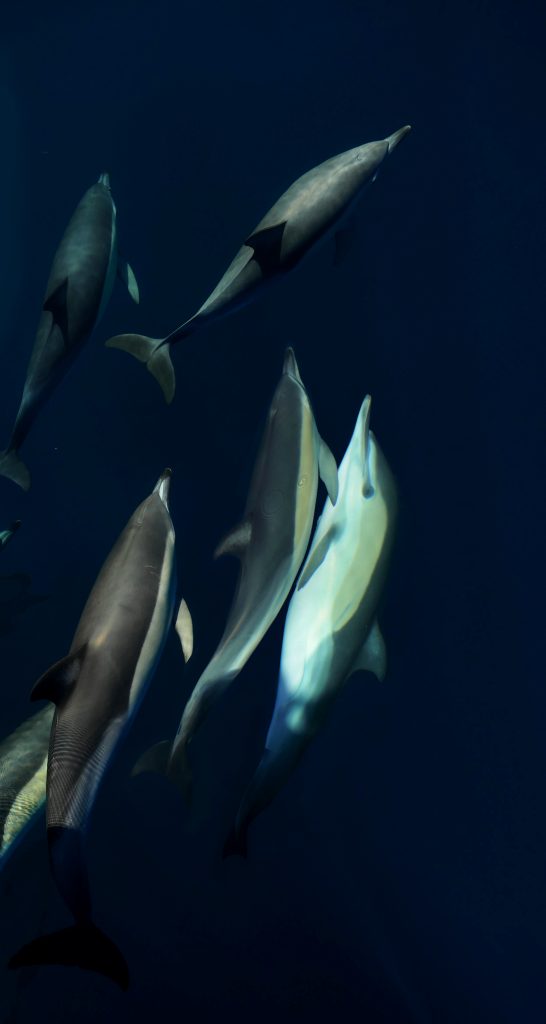
Whale and dolphin watching is a unique way to connect with marine life while supporting conservation, education, and research. However, irresponsible practices can stress, injure, or even endanger these animals. That’s why following ethical guidelines is essential to ensure a safe and sustainable experience.
Why doing whale and dolphin watching ?
Every boat on the water has an impact. That’s why responsible whale watching is about minimising disturbance and respecting wildlife at all times. When done ethically and guided by science, it connects people with these incredible animals, inspires conservation, supports research, and encourages appreciation for marine life where it belongs : in the wild.
إذا ما تعاملنا مع هذا الأمر بمسؤولية وأسسنا أعمالنا على البيانات - مع الالتزام بالقواعد المصممة لتقليل تأثيرنا - فإن جلب الناس لمشاهدة جمال هذه الحيوانات في بيئتها الطبيعية يمكن أن يكون له تأثير إيجابي. فتجربة أسلوب حياتها بشكل مباشر يمكن أن يلهم الأفراد لتبني سلوكيات صغيرة وهادفة تدعم الحفاظ عليها. وعلاوة على ذلك، يمكن أن يثبط ذلك من الزيارات إلى منشآت الأسر، مما يعزز تقديراً أكبر لمشاهدة هذه المخلوقات الرائعة حيث تنتمي حقاً.
What is “BEST PRACTICE”?
For whale and dolphin watching, it involves guidelines, ethics, and principles that ensure the activity is conducted responsibly. They aim to minimize negative impacts on cetaceans and the environment, enhance customer satisfaction, and provide positive benefits to local communities.
يمكن للسياحة التي تدار بشكل سيء أن تضر بمجموعات الحيتانيات:
– Interrupting natural behaviour: Boats that get too close can disturb feeding, resting, caring for calves, and social interactions, affecting the animals’ wellbeing.
– Pushing animals away: Repeated disturbance may cause whales and dolphins to leave important habitats in search of quieter areas with fewer resources.
– Risk of boat strikes: Fast speeds and close approaches increase the chance of collisions, which can cause serious injuries or even death.
في السنوات الأخيرة، أدخلت مؤسسات مختلفة مبادئ توجيهية ولوائح لمعالجة هذه المخاوف. ومع ذلك، تستمر الأبحاث في تسليط الضوء على الآثار السلبية للمراقبة التجارية للحيتان والدلافين في بعض المواقع. وبينما نجحت بعض المناطق في تنفيذ لوائح حكومية أو مدونات سلوك طوعية بنجاح، تباينت النتائج.
Ultimately, best practices serve as a crucial tool to lower these impacts and ensure the sustainability of cetacean watching. By following these recommendations, the activity can remain environmentally responsible, safe for both animals and participants, and beneficial to local economies.
من المهم أن:
– Respect Distance: Maintaining a safe distance from the animals is crucial to avoid disturbing their natural behaviour. Guidelines often recommend staying at least 100 meters away.
– Minimise Noise: Excessive noise from boats or other activities can disturb animals and interfere with their communication, feeding, and navigation. Whale watching tours are encouraged to use quieter boats and minimise noise.
– Avoid Harassment: It’s important not to chase, surround, or attempt to touch the animals. Disturbing them in this way can stress them and disturb their natural behaviours.
– Education and Awareness: Providing guests with information about the species, their behaviour, and conservation efforts helps increase awareness and appreciation for the animals. Educating tourists on responsible whale watching can foster a greater understanding of the importance of protecting marine life.
At Wise Whale Project we are committed to following best practices for whale and dolphin watching and to help establish responsible code of conduct in regions where such guidelines are not yet in place.
لمزيد من المعلومات راجع وايزوهيل@أورغ