



Responsible Cetacean Observation
Whale and dolphin watching is a unique way to connect with marine life while supporting conservation, education, and research. However, irresponsible practices can stress, injure, or even endanger these animals. That’s why following ethical guidelines is essential to ensure a safe and sustainable experience.
Why doing whale and dolphin watching ?
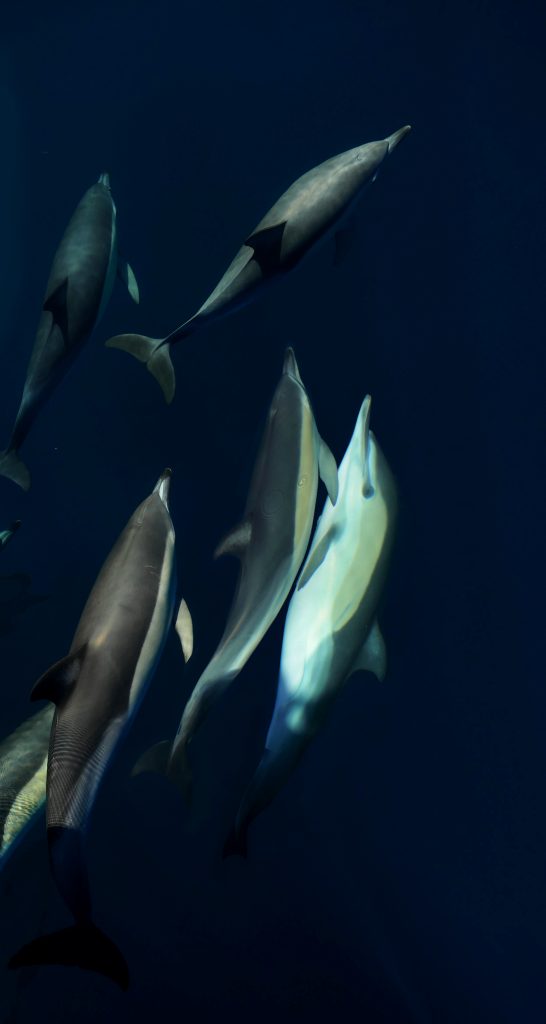
Every boat on the water has an impact. That’s why responsible whale watching is about minimising disturbance and respecting wildlife at all times. When done ethically and guided by science, it connects people with these incredible animals, inspires conservation, supports research, and encourages appreciation for marine life where it belongs : in the wild.
If we approach this responsibly and base our actions on data—adhering to rules designed to minimize our impact—bringing people to witness the beauty of these animals in their natural habitat can have a positive effect. Experiencing their way of life firsthand can inspire individuals to adopt small, meaningful behaviors that support their conservation. Moreover, it can discourage visits to captive facilities, fostering a greater appreciation for observing these magnificent creatures where they truly belong.
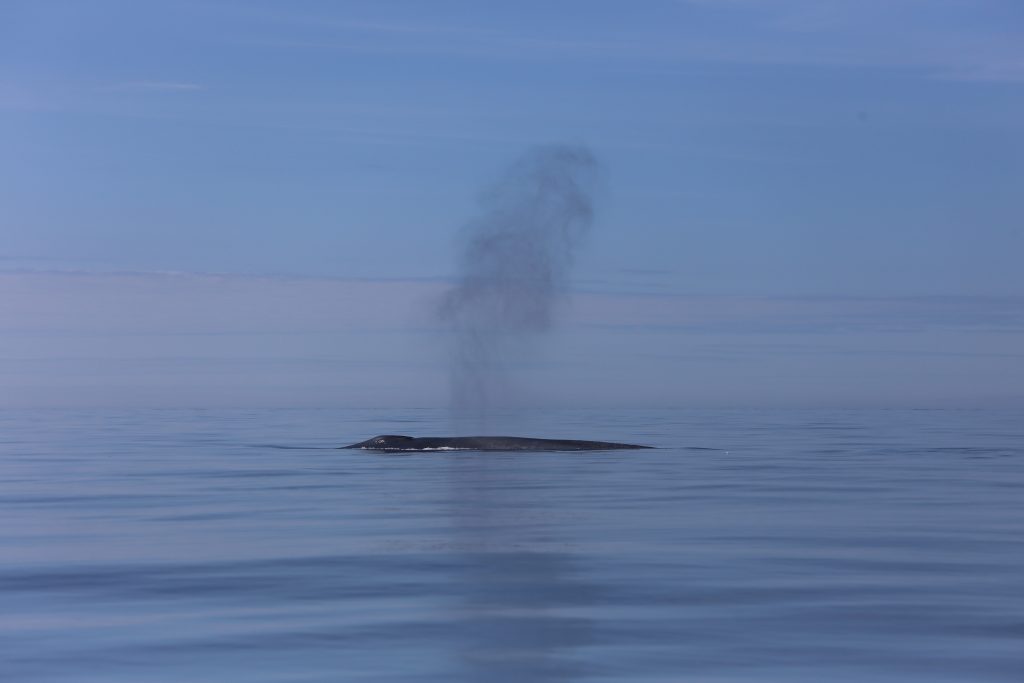
What is “BEST PRACTICE”?
For whale and dolphin watching, it involves guidelines, ethics, and principles that ensure the activity is conducted responsibly. They aim to minimize negative impacts on cetaceans and the environment, enhance customer satisfaction, and provide positive benefits to local communities.
Poorly managed tourism can harm cetacean populations:
– Interrupting natural behaviour: Boats that get too close can disturb feeding, resting, caring for calves, and social interactions, affecting the animals’ wellbeing.
– Pushing animals away: Repeated disturbance may cause whales and dolphins to leave important habitats in search of quieter areas with fewer resources.
– Risk of boat strikes: Fast speeds and close approaches increase the chance of collisions, which can cause serious injuries or even death.
In recent years, various institutions have introduced guidelines and regulations to address these concerns. However, research continues to highlight the negative effects of commercial whale and dolphin watching in certain locations. While some regions have successfully implemented government regulations or voluntary codes of conduct, results have varied.
Ultimately, best practices serve as a crucial tool to lower these impacts and ensure the sustainability of cetacean watching. By following these recommendations, the activity can remain environmentally responsible, safe for both animals and participants, and beneficial to local economies.
It is important to:
– Respect Distance: Maintaining a safe distance from the animals is crucial to avoid disturbing their natural behaviour. Guidelines often recommend staying at least 100 meters away.
– Minimise Noise: Excessive noise from boats or other activities can disturb animals and interfere with their communication, feeding, and navigation. Whale watching tours are encouraged to use quieter boats and minimise noise.
– Avoid Harassment: It’s important not to chase, surround, or attempt to touch the animals. Disturbing them in this way can stress them and disturb their natural behaviours.
– Education and Awareness: Providing guests with information about the species, their behaviour, and conservation efforts helps increase awareness and appreciation for the animals. Educating tourists on responsible whale watching can foster a greater understanding of the importance of protecting marine life.
We are committed to following best practices for whale and dolphin watching
and to help establish responsible code of conduct in regions where such guidelines are not yet in place.
For more information check wisewhale@org