


SPAIN: THE STRAIT OF GIBRALTAR
A CROSSROADS FOR CETACEANS
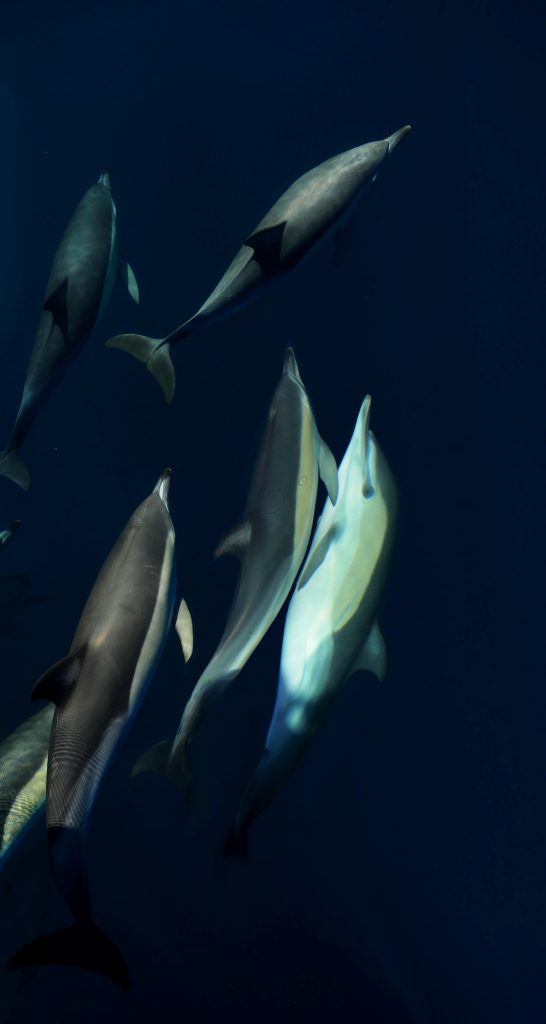
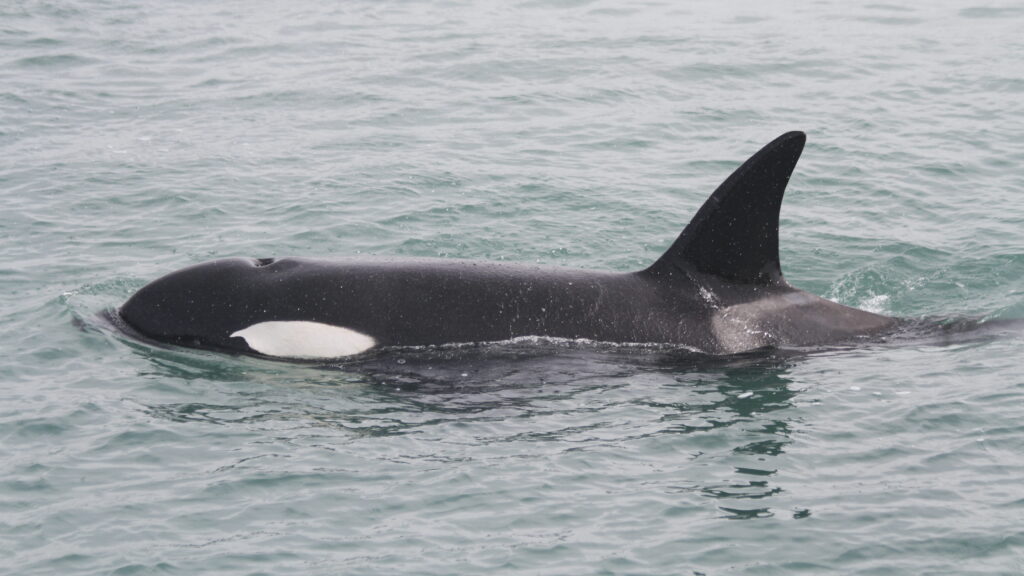
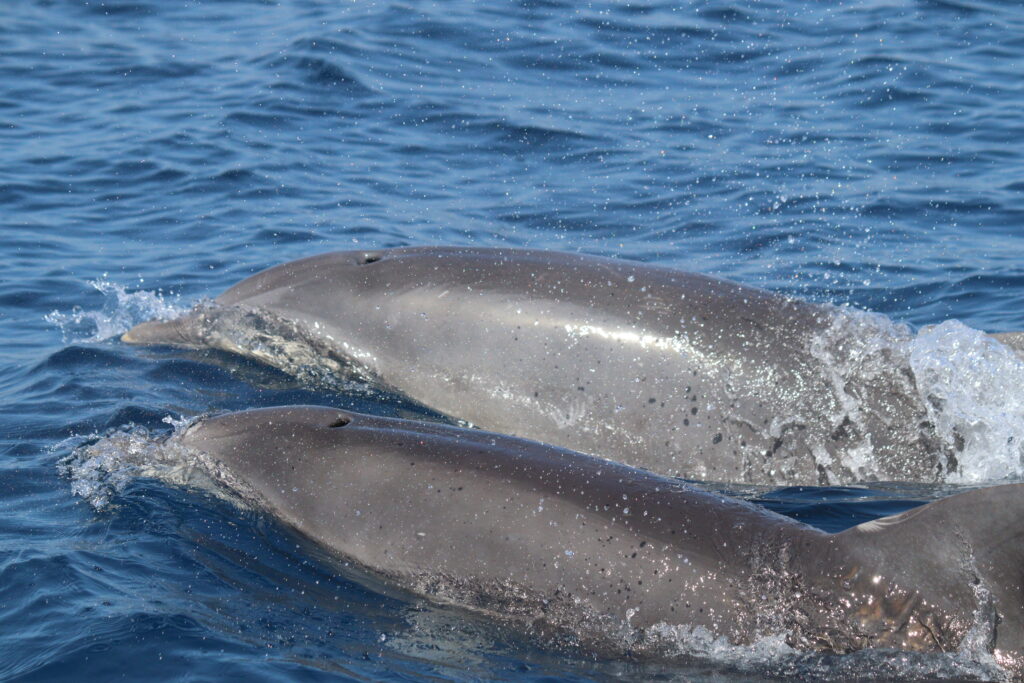
The Strait of Gibraltar is one of the most remarkable marine environments in Europe. Connecting the Atlantic Ocean and the Mediterranean Sea, this narrow passage is a natural corridor for whales and dolphins moving between two seas. Every year, cetaceans pass through these waters following seasonal migrations, feeding opportunities and the movement of their prey. The seasonal presence of species such as sperm whales, fin whales and orcas provides opportunities to study how cetaceans use this important marine corridor, while the resident ones (common dolphins, striped dolphins, bottlenose dolphins and pilot whales) teach us how these animals live on the long term.
For us, the Strait of Gibraltar offers the opportunity to combine responsible whale watching with scientific research and long-term monitoring of cetaceans.
From the waters around Barbate and the Atlantic entrance to the Strait itself, we explore an exceptional marine environment shaped by strong currents, deep waters and the constant movement of wildlife.
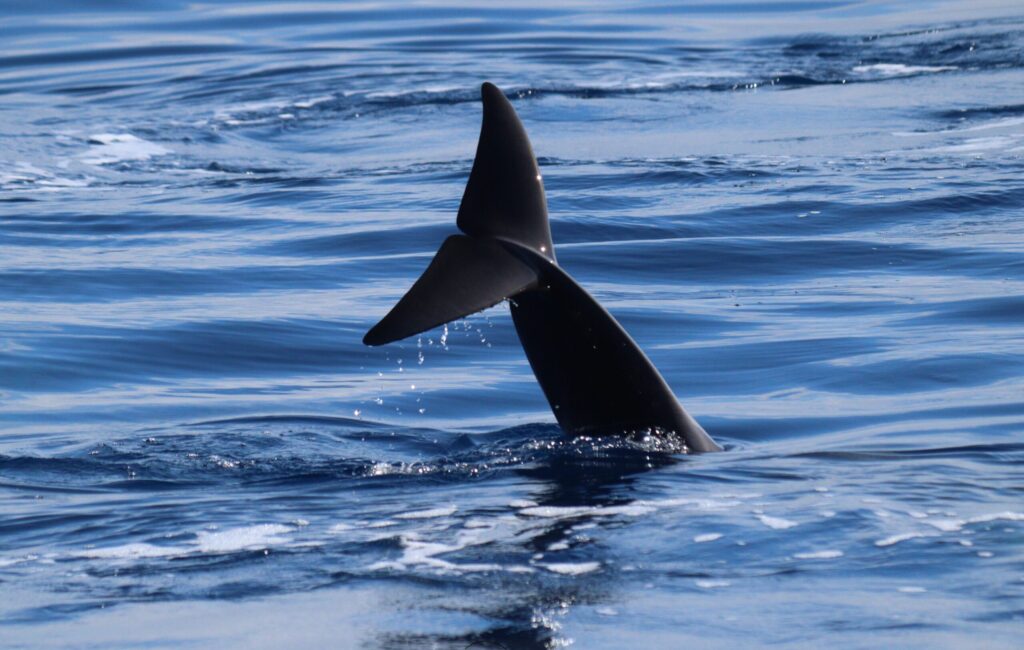
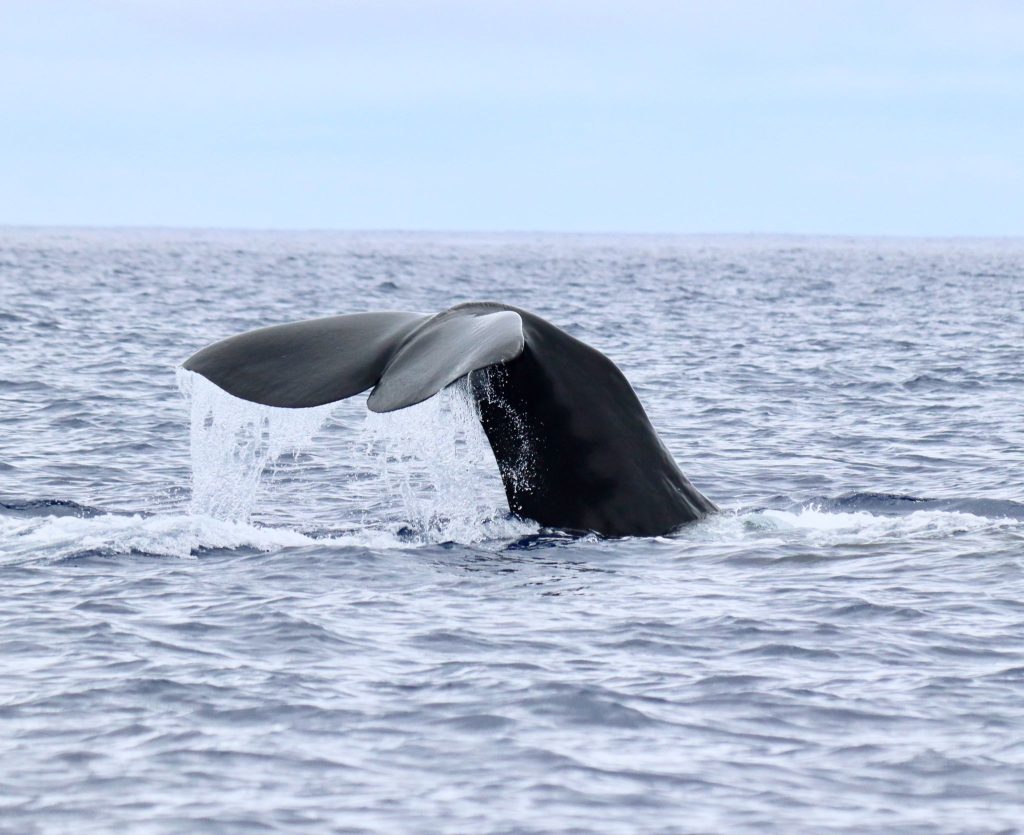

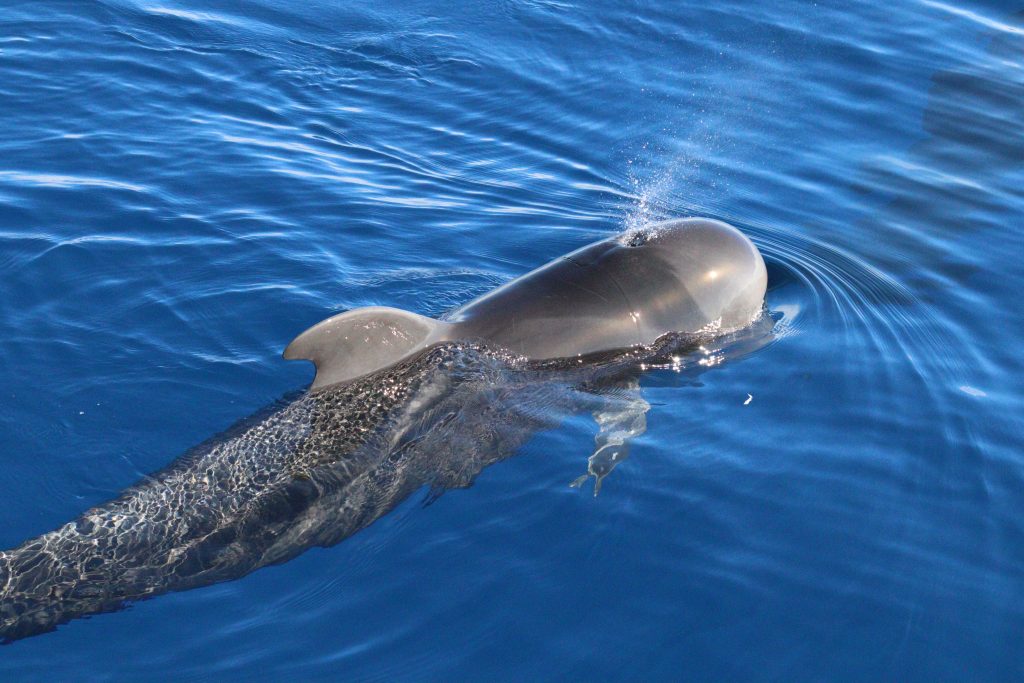
Every trip is an opportunity to contribute to science.
Through responsible observation, photography and the collection of datas on the animals we encounter, we can help build knowledge about cetacean natural history, their movements and behaviour in the Strait of Gibraltar and surrounding waters.
Our mission is to offer meaningful encounters with whales and dolphins in the Strait of Gibraltar—combining responsible marine tourism with science and education. By bringing guests closer to the ocean through authentic experiences, we aim to inspire lasting appreciation and contribute to the long-term conservation of the marine environment.
Our approaches are striclty following the Spanish Legislation (RD 1727/2007) and the ACCOBAMS Regulations.