



OUR RESEARCH
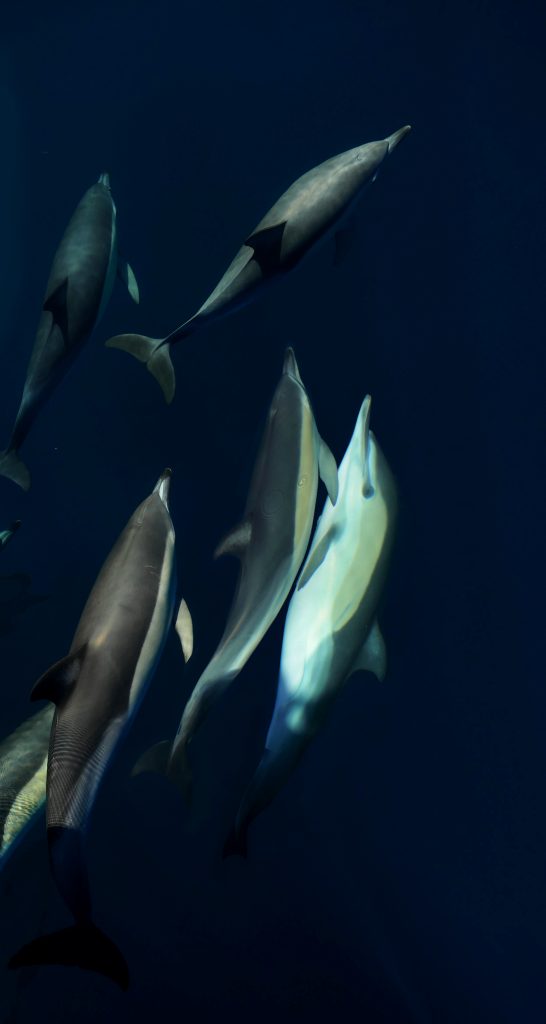
Our research is designed to generate baseline ecological knowledge in every area where we operate. We focus on identifying which cetacean species are present, assessing whether populations are resident or migratory, and understanding how these species use the habitat throughout the year.
Data collection is conducted using non-invasive scientific methods, primarily photo-identification. High-quality images of dorsal fins, flukes, and distinctive natural markings allow us to recognize individual animals across encounters. This enables the analysis of site fidelity, movement patterns, social structure, and long-term population dynamics.
Repeated observations contribute to the progressive development of a structured identification catalogue. Over time, this catalogue becomes a valuable tool for monitoring population stability, detecting changes in distribution, and supporting conservation-oriented management decisions.
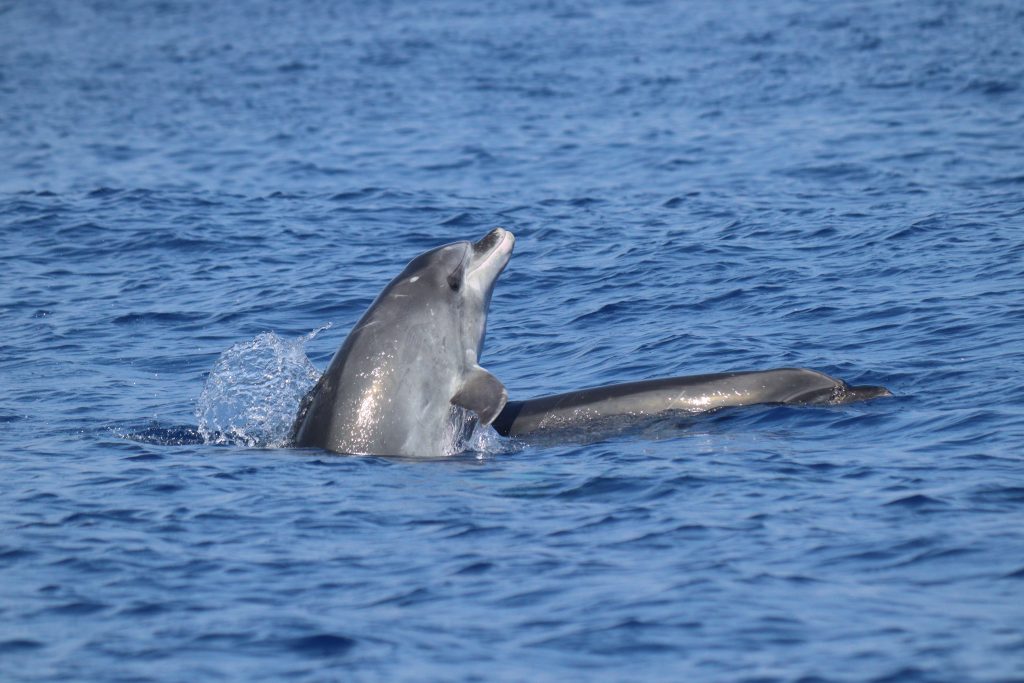
Our dolphin and whale watching trips are directly integrated with this research effort. Guests participate in a model of responsible marine ecotourism where tourism supports science, and science supports conservation.
Through this approach, every encounter at sea contributes to a broader understanding of cetacean ecology across different regions and future destinations.
At Wise Whale Project, research is not an addition to our work — it is the foundation of it. By combining field science, responsible whale watching, and public engagement, we aim to transform every trip into a meaningful contribution to marine knowledge. Our long-term vision is to build region-specific catalogues, contribute to collaborative scientific networks, and support the protection of cetaceans in every area we explore.